Best Auto Cutting Machine for Efficient Production Solutions?
In today's fast-paced manufacturing environment, efficiency is critical. The demand for precision and speed drives manufacturers to explore advanced technologies. Among these innovations, the Auto Cutting Machine stands out. It revolutionizes production processes by automating cutting tasks. This technology minimizes human error and maximizes productivity.
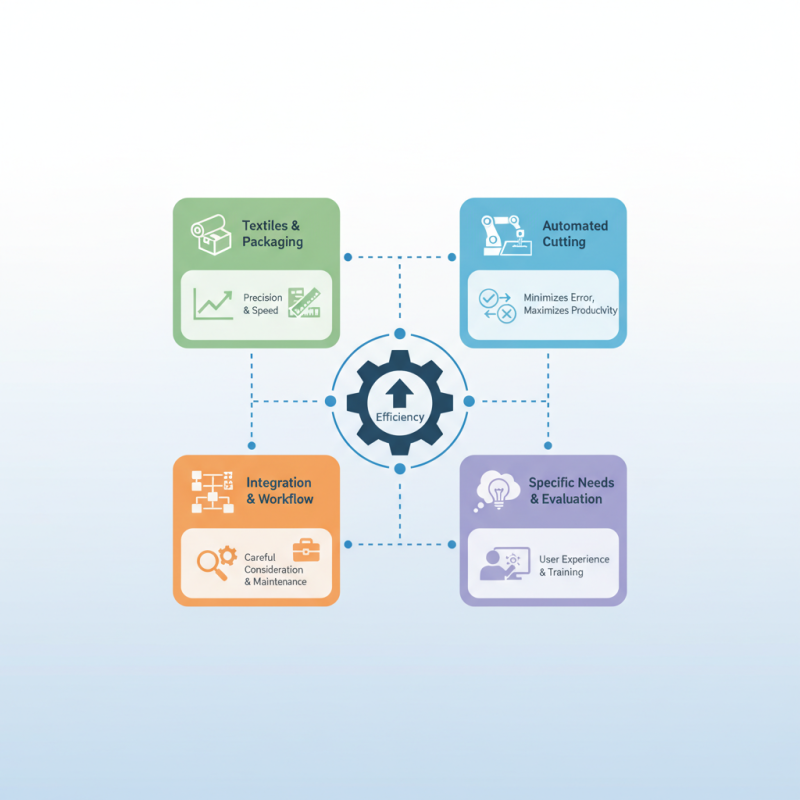
Many industries, such as textiles and packaging, rely on Auto Cutting Machines. They enable rapid scaling of operations. The machines offer accuracy that manual cutting cannot achieve. However, choosing the right model requires careful consideration. Not all machines are created equal, and failures are possible. Some may not integrate seamlessly with existing workflows, leading to inefficiencies.
Investing in an Auto Cutting Machine is a significant decision. It can enhance operational efficiency, yet it demands proper training and maintenance. As with any technology, reflection on user experience is important. Manufacturers must evaluate their specific needs. Each Auto Cutting Machine presents unique challenges and benefits.
Understanding Auto Cutting Machines and Their Applications
Auto cutting machines have become instrumental in streamlining production processes across various industries. These machines enhance efficiency by providing precise cutting solutions for materials like fabric, leather, and plastics.
According to a recent industry report, companies that adopt automated cutting technologies can experience up to a 30% increase in productivity. This significant boost is a result of reduced labor costs and minimized material waste, which are crucial for optimizing profit margins.
Understanding the different applications of auto cutting machines is essential for manufacturers. In sectors such as apparel and automotive, these machines enable intricate designs and consistency.
Reports suggest that 75% of manufacturers in the textile industry are integrating automated cutting to meet rising demands. However, the initial investment can be daunting, leading some businesses to hesitate.
This decision requires careful analysis, as overlooking the long-term benefits of enhanced precision can hinder growth.
Moreover, challenges do exist. Not every workshop is equipped to handle advanced technologies and may require training sessions for the staff. Data indicates that
45% of workers feel unprepared to utilize sophisticated machinery effectively. This underscores the importance of not only investing in equipment but also investing in workforce education and support systems.
Balancing these elements can ultimately determine the success of automation in production environments.
Key Features to Look for in a High-Quality Auto Cutting Machine
When selecting an auto cutting machine, focus on key features that enhance efficiency. One crucial aspect is accuracy. A high-quality machine should offer precise cuts consistently. Look for options with advanced sensors or software that help maintain this accuracy, reducing material waste.
Speed is another vital element. Efficient production requires machines that can operate quickly without compromising quality. Consider models that allow for faster processing speeds while ensuring clean edges. This balance of speed and precision is essential for high-volume operations.
Additionally, ease of use matters greatly. A user-friendly interface can shorten training times for operators. Machines with intuitive controls enable quicker adjustments, leading to better workflow. Reflect on your specific production needs and assess whether a machine meets these requirements. Investing time in research now can lead to better long-term solutions for your production lines.
Top Brands and Models of Auto Cutting Machines in the Market
In the world of textiles and manufacturing, auto cutting machines are game-changers. These machines enhance productivity and precision, catering to various industries. According to a recent industry report, the global demand for automated cutting solutions is projected to reach $5 billion by 2025. This growth can largely be attributed to the increasing need for efficiency in production workflows.
Top models in the market offer advanced features like laser and blade cutting technologies. Laser machines provide cleaner edges and reduce waste. In contrast, blade cutting systems are praised for their speed and versatility. However, selecting the right machine isn't always straightforward. Factors such as the material type, production volume, and overall cost play crucial roles. It's also worth considering maintenance requirements, as high-tech solutions often entail higher upkeep.
While some auto cutting machines promise quick ROI, not all machines deliver as advertised. Many users report a learning curve in operating complex models, which can lead to initial setbacks. Investing in training is essential for maximizing machine efficiency. As the industry evolves, staying informed about emerging technologies and trends is vital for making the best choices.
Comparative Analysis of Auto Cutting Machines for Different Industries
When evaluating auto cutting machines, it's essential to consider their application across various industries. Different materials and production requirements demand tailored solutions. In the textile industry, precision is critical. Machines designed for fabrics should provide speed and accuracy while minimizing waste. A small miscut can lead to significant losses.
In contrast, the automotive sector requires robust cutting solutions. Here, time efficiency and durability are paramount. Machines for this industry must handle heavy materials, such as metals and composites. Operators often face a learning curve with these complex systems. Continuous training is vital to maximize their potential.
Additionally, the furniture industry benefits from technologies that streamline processes. High-quality cuts can enhance overall product aesthetics. Users must assess their specific needs to find the best fit. Each machine's specifications and capabilities can influence production flows. Mistakes in machine selection can hinder efficiency and increase costs.
Investing time in research is crucial. Each machine has strengths and weaknesses. Understanding these can lead to better decision-making in production environments. Keeping updated with industry advancements ensures companies remain competitive.