What Is a Welding Machine and How Does It Work?
A welding machine converts electrical energy into controlled heat, pressure, or both. That energy melts a joint’s edges, joins separate components, and creates a solid connection after cooling. The process may look simple. It is not.
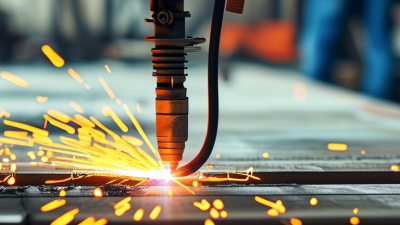
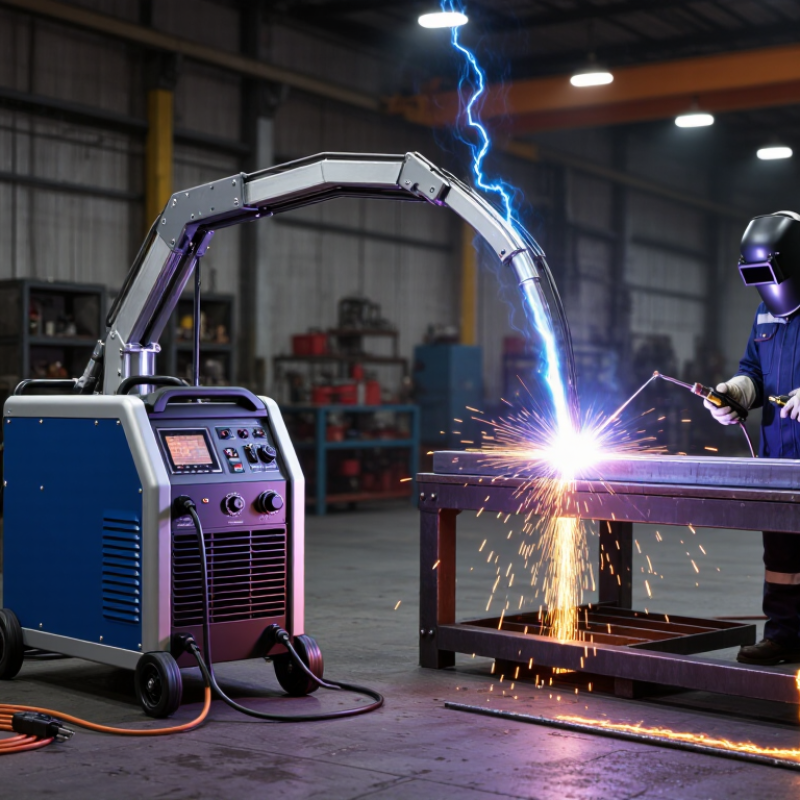
Arc welders use an electrode, shielding gas, and a power source. Inside the machine, a transformer, inverter, or rectifier regulates current and voltage. A bright arc then forms between the electrode and the workpiece. Sparks jump across the narrow gap. The molten pool moves slowly along the seam. Its shape depends on travel speed, amperage, polarity, and operator control.
This is where Welding And Machine technology becomes practical, not merely mechanical. The International Federation of Robotics reported more than 500,000 industrial robots installed globally in 2023, with welding among important automation applications. Market studies from Fortune Business Insights also forecast continued growth in welding equipment, although their estimates differ by scope and methodology. That disagreement deserves attention.
Dr. Duane K. Miller, a respected welding engineer, has emphasized a central principle: “A weld is not a product; it is a process.” The machine alone cannot guarantee strength. Material preparation, calibration, shielding, and inspection remain essential. AWS D1.1 and ISO 4063 provide widely used frameworks for welding practice and process classification. OSHA also highlights controls for fumes, ultraviolet radiation, electrical hazards, and fire.
This guide explains machine types, operating steps, controls, and limitations. Some examples will be simplified. Real workshops are less forgiving. A small setting error can leave porosity, undercut, or a weak joint hidden beneath clean-looking metal.
What Is a Welding Machine and What Does It Do?
A welding machine is a power source that joins metal by creating controlled heat. It usually supplies electricity through a torch, electrode holder, or welding gun. The heat melts the edges of two workpieces and forms a shared pool of liquid metal. As the pool cools, it becomes a solid joint.
It controls the energy needed for different metals and thicknesses. Some machines use a consumable wire, while others use a fixed electrode or tungsten tip. Shielding gas may protect the hot weld from oxygen and moisture. Without that protection, the joint can become weak, porous, or discolored. The operator adjusts current, voltage, travel speed, and wire feed to match the task.
Small details matter.
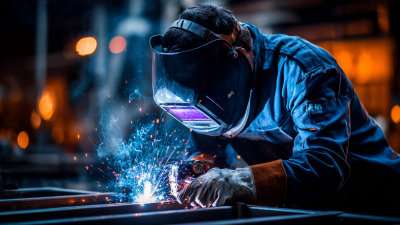
A clean metal surface often improves the weld more than a higher machine setting. In workshop practice, poor preparation causes many defects. Too much heat can burn through thin sheet metal. Too little heat may leave an uneven, shallow connection. Even experienced operators sometimes misjudge speed when the joint position changes. That is why test welds, proper ventilation, eye protection, gloves, and careful inspection remain essential. A welding machine supplies the power, but the final quality depends on setup, technique, and honest checking.
What Are the Main Components of a Welding Machine?
A welding machine is more than a power box.
Its main components work together to create, control, and deliver an electric arc. The power source changes incoming electricity into usable welding current. Depending on the design, it may provide AC, DC, or both. Inverter systems are usually lighter and offer precise control. A control panel sets amperage, voltage, wire speed, and welding mode. The U.S. Bureau of Labor Statistics’ May 2023 OEWS data lists about 420,000 welding-related workers, making dependable equipment important across many workshops.
The welding circuit includes cables, an electrode holder or welding torch, and a work clamp. The clamp completes the circuit through the metal workpiece. In gas-shielded processes, a regulator, hose, and gas valve deliver shielding gas around the arc. MIG equipment also needs a wire feeder, drive rollers, and a contact tip. Some machines include cooling fans or liquid-cooling systems. OSHA identifies welding fumes, ultraviolet radiation, and electrical hazards as major workplace concerns in its welding safety guidance. A clean connection matters.
Tips:
Inspect the clamp jaws, cable insulation, torch liner, and gas hose before use. Check for heat damage. Set gas flow according to the welding procedure, not habit. A flow that is too high can create turbulence and pull in air. I still find this mistake in real workshops. The ideal component list is not enough; maintenance records and operator training often decide whether the machine performs safely.
How Does a Welding Machine Generate and Control Heat?
A welding machine creates heat by forcing electrical current across a small gap between the electrode and workpiece. This arc can exceed 5,000°C, melting the joint surface and filler metal. Heat input depends mainly on voltage, amperage, and travel speed. The basic relationship is heat input = voltage × amperage ÷ travel speed. In practice, the calculation is never perfect. Arc efficiency, electrode angle, and surface condition also change the result.
Modern machines control heat through electronic switching, transformers, and feedback systems. An inverter can adjust current rapidly, helping maintain a steadier arc than older transformer equipment. Duty cycle also matters. A machine rated at 60% duty cycle can weld for six minutes during a ten-minute period at its rated output. Pushing beyond that limit can trigger thermal protection or damage internal parts. The International Federation of Robotics reported 541,302 industrial robots installed worldwide in 2023, showing why precise automated heat control is becoming more important in fabrication. Yet automation does not remove judgment. A poor ground connection can still produce unstable heat.
Tips: Match amperage to material thickness, then make a short test bead. Watch the puddle, not only the machine display. Keep cables fully connected and allow cooling pauses. A clean surface improves arc stability, but I sometimes underestimate how quickly thin steel overheats. The American Welding Society recommends controlling welding variables and documenting procedure settings for repeatable quality. That practice exposes mistakes before they become expensive defects.
What Are the Main Types of Welding Machines?
A welding machine transforms electrical power into controlled heat, joining metal through melting, pressure, or both. Its power source controls current, voltage, arc stability, and duty cycle. These details affect penetration, distortion, and operator safety. In practical fabrication, the machine must match the metal, joint design, and working environment.
The main types are SMAW, GMAW, GTAW, FCAW, SAW, and resistance welding. SMAW uses a flux-coated electrode and suits outdoor repairs. GMAW feeds solid wire continuously, making it productive for clean workshop conditions. GTAW uses a tungsten electrode and offers precise control on thin stainless steel or aluminum. FCAW uses flux-cored wire, often improving deposition on thicker steel. SAW hides the arc beneath granular flux and supports long, automated welds. Resistance machines squeeze sheets between electrodes and create heat through electrical resistance.
According to the American Welding Society’s 2023 workforce report, the United States may face a shortage of about 330,000 welding professionals by 2028. That pressure increases interest in productive processes, but speed alone is not quality. Grand View Research estimated the global welding equipment market at over 14 billion dollars in 2023. The figures differ by methodology, so they deserve careful reading. A practical test often reveals more than a sales chart. Control matters. A tidy weld can still hide weak penetration, excessive heat, or poor preparation. Selection should consider duty cycle, consumable cost, ventilation, training, and inspection requirements. No process is universally best.
What Is a Welding Machine and How Does It Work?
A welding machine converts electrical energy into a controlled welding arc. The chart compares representative operating-current ranges for major welding machine processes.
Current ranges are typical industry values and can vary with electrode size, material thickness, shielding method, and machine capacity.